
Composting for the Environment
When organic resources are sent to landfill, they create methane gas, which is 26 times more potent than carbon dioxide as a greenhouse gas. Organic non-composted waste accounts for about 3% of Australia’s annual emissions. Incineration also emits climate pollutants and can contribute to air, water and soil contamination.
Compost can directly put carbon back into the soil, as well as indirectly helping to increase the biomass of plant root systems, and building soil nutrients for revegetation.

Composting for our Food Systems
Compost is a valuable product that improves the structure and fertility of our soils. It adds organic matter to soil that stimulates biological activity. It increases water retention, reducing the need for watering, and offers improved resilience to erosion, floods and droughts. It provides nourishment to plants, helping to suppress plant diseases and reducing the need for pesticides, herbicides and chemical fertilisers.
Community composting strengthens local food systems, decreasing reliance on industrial supply chains.

Composting to Build Community
Composting is a simple activity that brings people together, increasing social engagement. It offers the mental wellbeing and stress-recovery benefits of contact with the natural world, as well as physical exercise.
Community activities strengthen neighbourhood cohesion, build local social ties and community resilience. Working collectively to create an environmentally-sound resource for shared benefit is a simple and practical way to take climate action. On a larger scale, community composting can create ‘green-collar’ job opportunities.
.
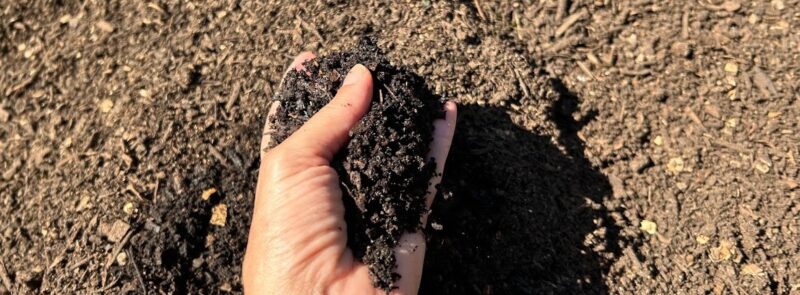
What is community composting?
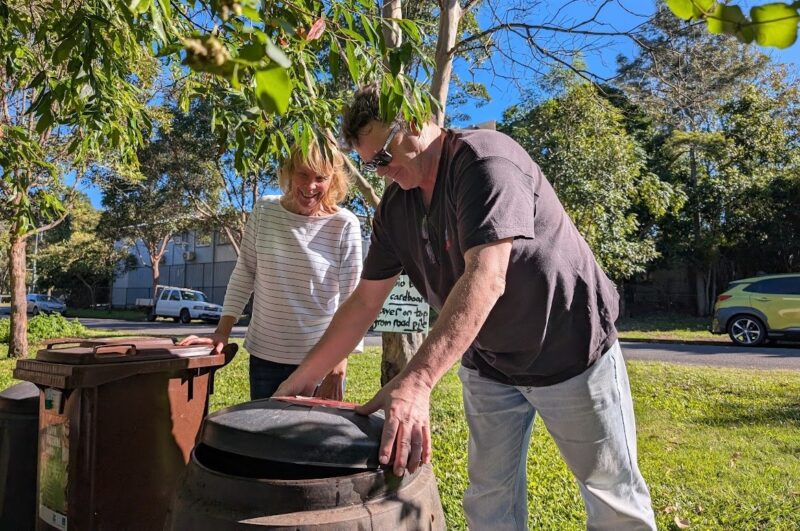
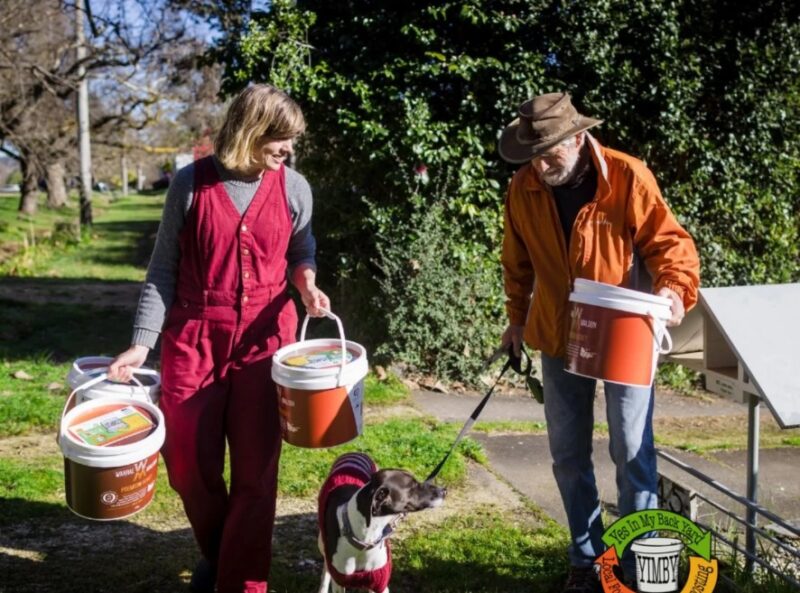
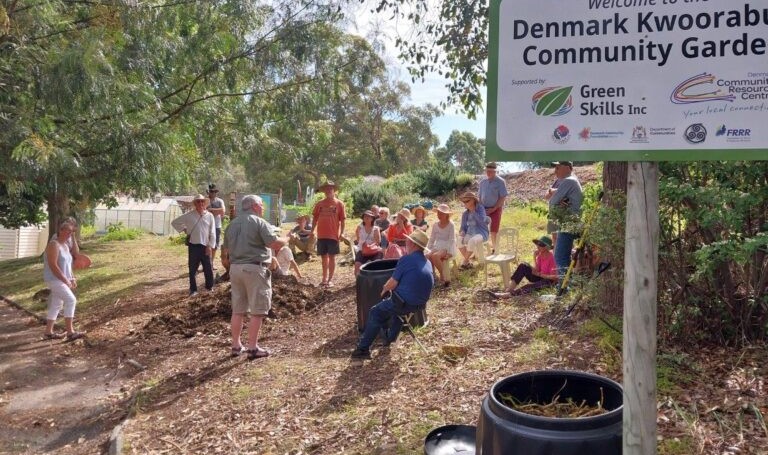
Community composting broadly describes the decentralised, cooperative processing of organic materials, mostly food scraps and garden waste, within local areas such as neighbourhoods, schools, apartment complexes or towns. It is typically participatory and citizen-led, engaging multiple actors in the collection, treatment and use of compost produced close to where the waste is generated. Operations are small to medium scale and use a variety of technologies. These initiatives minimise transportation, keep nutrients circulating locally, and deliver social, environmental and educational benefits to their communities, beyond waste management.
Models and practices of community composting
Community composting comes in many organisational forms: volunteer-run, not-for-profit, social enterprise, small business, or local government-led models. They tend to be intentionally structured to maximise community involvement and deliver social, ecological and economic benefits at the local scale. Some examples around Australia include:
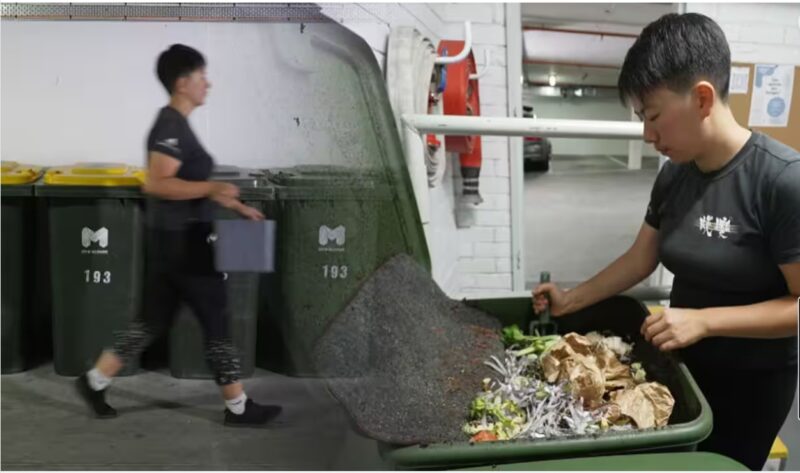
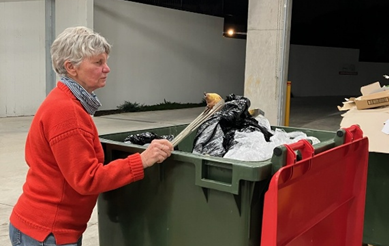
Shared composting in apartment blocks
High-rise apartment composting, Melbourne
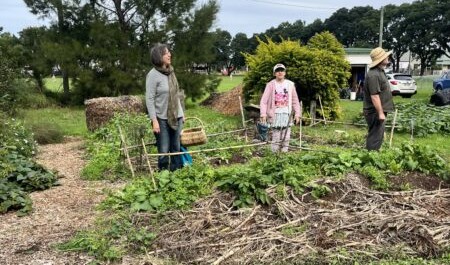
On-farm composting
Loop Growers’ farm, QLD
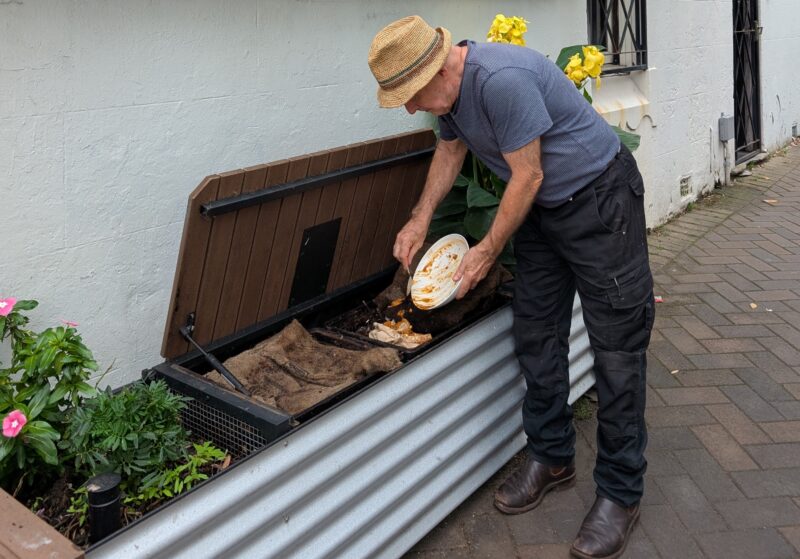


Compost education
Coffee and Compost meetings, Singleton
Master Compost course, Brisbane
City Compost Network podcast series, Nationwide
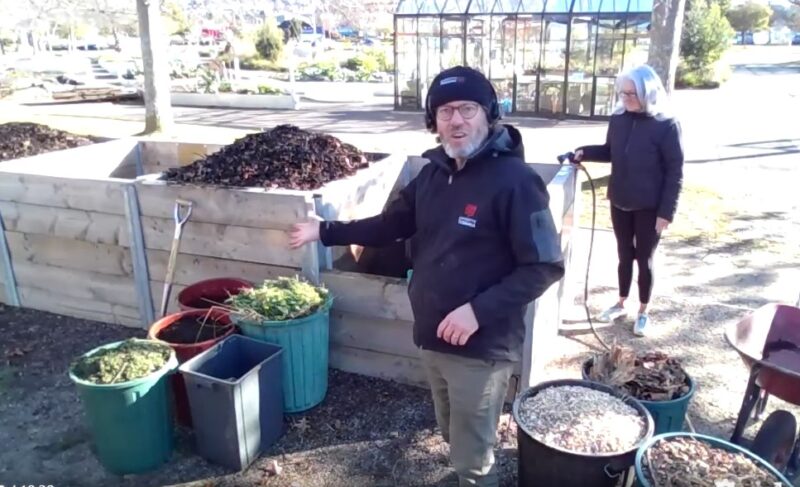
Workshops, talks & demonstrations Nationwide
These initiatives vary in methods, infrastructures, techniques, people, cultures, species, scales and forms of labour – both paid and unpaid. They’re shaped by differing attitudes, worldviews, laws, risks and goals, and operate within broader contexts of climate change, colonial legacies, and ongoing struggles for justice and sustainability that manifest differently across communities and places.
Resources
Read more about the network of community composting activities across Australia.
Read our guide on starting and running a community compost initiative in Australia: Community Composting 101