# ClimateChange #BenefitsOfComposting #Bushfires #YIMBY #CommunityResilience #What’sOn #CommunityComposting
The end of summer is upon us, although you would hardly know it from the temperatures! This summer saw records tumble across Australia, with the CSIRO reporting that January brought the hottest temperatures ever recorded in numerous areas – some exceeding 49°C.
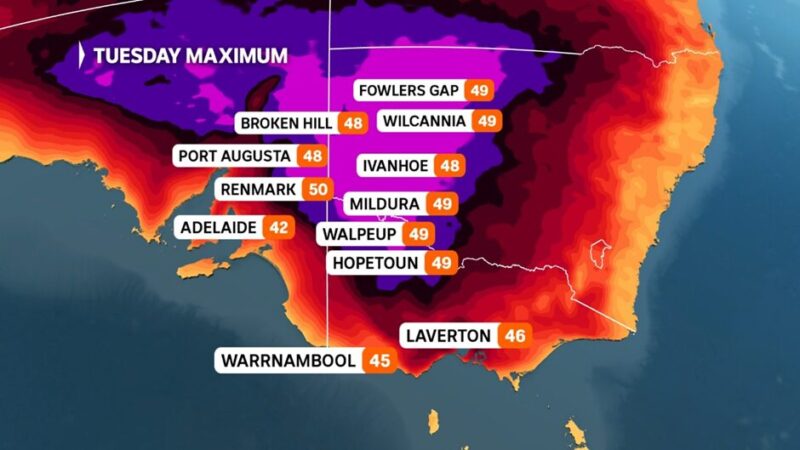
Tragically, extreme heat also fuelled devastating bushfires across Victoria. In the face of this disaster, our friends at YIMBY Composters showed us what community resilience looks like by stepping up to compost spoiled food from fire-affected households, keeping it out of landfill and transforming it into soil to help residents rebuild their gardens. It’s a powerful reminder that even in crisis, strong communities lend support in all sorts of powerful ways.
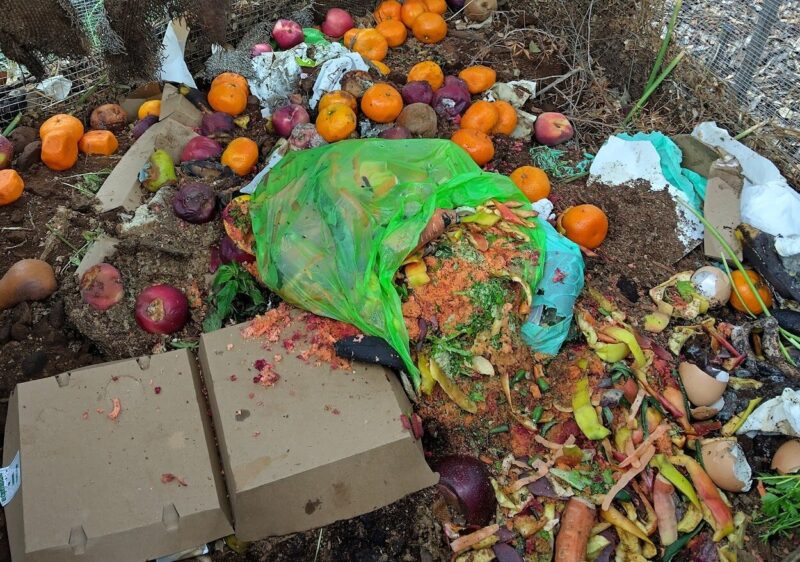
How composting helps mitigate climate change
As composters, we are part of the solution. Along with reducing food waste in the first place, composting is one of the most practical ways individuals and communities can help tackle climate change.
Diverts organic waste from landfill:
When food and garden scraps break down in landfill, they produce methane – a greenhouse gas with a global warming potential around 28 times that of carbon dioxide over a 100-year period. Composting breaks down organic matter aerobically (with oxygen), avoiding methane production almost entirely.
Sequesters carbon in soil: Adding compost to soil locks in carbon from the atmosphere, storing it where it feeds soil life and builds soil structure.
Reduces reliance on chemical fertilisers:
Compost produces a nutrient-rich soil amendment that can replace synthetic fertilisers. These chemicals require significant energy to manufacture (often from fossil fuels) and can damage soil biology, reducing the soil’s natural capacity to store carbon and cycle nutrients.
Retains soil moisture:
Compost-enriched soils act like a sponge, holding water more effectively. This reduces irrigation needs and helps plants withstand drought – increasingly important in our changing climate.
Supports resilient food production:
Healthy, living soils grow healthier, more resilient plants, supporting home and community gardens and regenerative agriculture.
Keeps it local:
Community composting in particular reduces transportation emissions and supports local food production, shortening supply chains and keeping nutrients cycling close to home.

Why Composting Could Save Our Planet
This informative and uplifting short video, narrated by Pashon Murray from Detroit, tells the story of soil, composting, and how it could help reverse climate change. The Soil Story
What’s coming up in March

Here’s just a tiny snapshot of some earthy events coming up in March.
See our What’s On Guide for more events:
Victoria:
Formidable Vegetable Workshop at the Ballarat Begonia Festival
March 7 – Robert Clark Horticultural Centre, Lake Wendouree
Western Australia:
Productive Ecology Composting Workshops
March 11 – Dalyellup Community Garden – Tuart Forest Primary School
Tasmania:
March 12 – George Town
Queensland:
March 21 – Northey St City Farm, Windsor, Brisbane
New South Wales:
March 29 – Belrose
Join us! It’s free and it’s good for you and your community!
To support these initiatives, we really want to build our membership. Please encourage your friends and colleagues to join LOCCAL.
Whether you’re a crack community composter, a backyard composter who takes in grass clippings from your neighbours, or someone who supports composters with cakes and tea (a community compost ally) – whatever your role, we want to hear from you!
Why Join?
- Connect with like-minded composters and compost champions
- Learn, share and grow community-based composting
- Have your say in shaping community composting across Australia
- Access valuable resources, knowledge and support
We host regular gatherings where members exchange ideas, hear from experts, and get involved in community composting. Whether it’s workshops, site visits, working bees, or casual meet-ups, there’s always something happening.
Leave a Reply