A guide to starting and running a community compost initiative in Australia

Communities worldwide are seeking sustainable solutions to reduce waste, mitigate environmental impact and connect with each other. Community composting not only helps divert organic waste from landfills, but it also enriches local soil health, reduces greenhouse gas emissions, and fosters a sense of local camaraderie. If you’re passionate about sustainability and want to make a difference in your community, starting a compost initiative could be the perfect endeavor. In this guide, we have put together a few resources to help you start and manage a community composting project in Australia.

Research and planning
Before you do anything it is important to do your homework to ensure your efforts aren’t wasted by getting knocked back. Finding out what others have done, potential sites, possible partnerships and council and community sentiment can help steer you in the right direction. Think also about how to attract volunteers or staff and how you plan to fund your project.
The City of Sydney council (with the help of LOCCAL’s own Michael Mobbs) has developed an excellent Community Composting Guidelines handbook which includes information on all the things you need to consider such as types of systems, roles and responsibilities and maintenance. There is also a lot of good information about the approvals process and, while this is designed for the City of Sydney similar advice can be applied to most other council areas. There is also a really useful downloadable management plan which provides clear guidelines to work through in setting up your initiative. Sustainability Victoria also has developed a Guide to Running a Food Waste Organics / Composting Program describing the phases involved.

Brisbane City Council’s Master Composter Course booklet is free to download and contains lots of useful information about compost systems and methods. Another excellent and very useful resource (from the USA) is the handbook Growing Local Fertility: A Guide to Community Composting. Here you will find information about planning and troubleshooting as well as information and examples of community composting as a small business opportunity.

Design
To create high quality and safe compost many community composters use a hot composting method, bokashi or worm farms. Footpath composting is easy and has great potential to be scaled up as most urban opportunities for community composting are outside buildings in the street compared to hubs on the much more limited community land.
The system you choose will depend upon on the type and amount of material coming through your site, the space you have and the labour you have available. Compost Breakdown: A Guide to Mid-Size Composting Success from Canada is an excellent resource to explore.
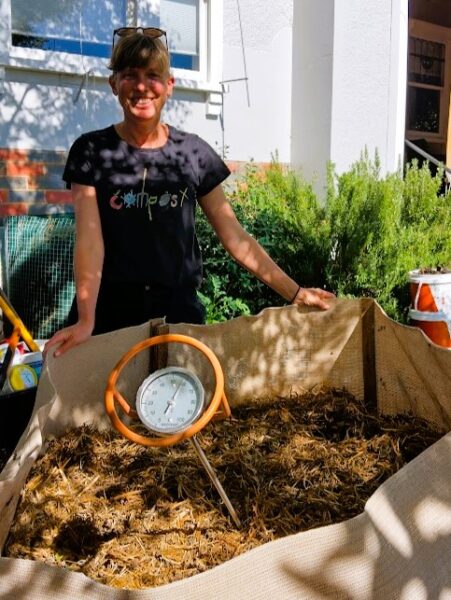
Community Engagement
Building community support is crucial for the success of your community compost initiative. Organise informational sessions, workshops, or community meetings to raise awareness about the benefits of composting and garner interest from residents. Utilise social media platforms, and community notice boards to spread the word and recruit volunteers. The most effective way to bring the community in is to physically door knock and speak to people.
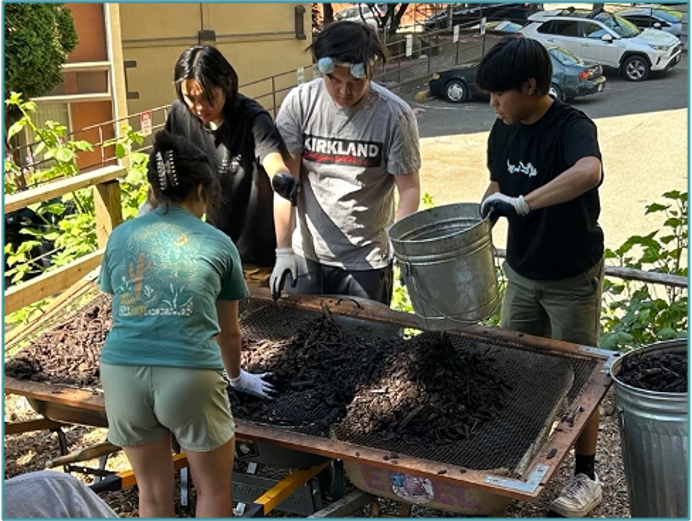
Events centred around special dates such as International Compost Awareness Week, World Environment Day or World Soil Day. Fun activities to drive engagement may include:
- Turn and Learn – participants learn about composting while helping turn the pile
- All You Can Sift – participants get to take home some finished compost and help with the sifting process.
- Harvesting worm castings – participants help harvest castings while learning about worm farming
Communication
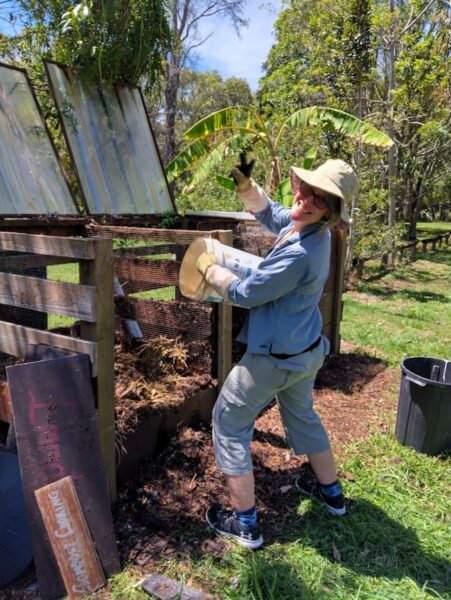
Develop effective communication channels with both the volunteers and scraps donors. It is important to be able to communicate about feedstock reminders as well as accomplishments as a group working together, diversion, social events, other interests, and funding opportunities.
Clear and friendly signage is very important. Signage is more than just decoration – it’s one of the most important tools we have to keep things running smoothly, reduce contamination and encourage community involvement. Read our blog post about the power of a good sign.

Monitoring and Evaluation
Track key metrics such as the volume of organic waste diverted from landfills, compost quality, community participation rates, and feedback from residents. Use this data to assess the effectiveness of your composting program and identify areas for improvement. Engage with community members through surveys or feedback sessions to gauge satisfaction and address any concerns or suggestions. This will help with gaining continued support from decision makers and funders. Monty Compost or the Living Compost Hubs apps help composters to record data.
Potential issues
Many people are concerned about the possibility of complaints about rats or odours however a well maintained site should not have too many issues. This excellent US article about Getting Past Rats and Odors in community composting provides a very useful guideline on how to design and manage your initiative to reduce these impacts.
Expansion and Collaboration
As your composting initiative grows, explore opportunities for expansion and collaboration with other community organisations, schools, or businesses. Consider partnering with local farmers or gardeners to distribute compost or integrate it into urban agriculture projects. Continuously seek feedback and adapt your program to meet the evolving needs of your community and the environment.
See also these excellent resources from across the seas:
Composting Association of Vermont free online training modules for Community Composting
Community Composting: A Practical Guide for Local Management of Biowaste, Zero Waste Europe
Community Composting Done Right: A Guide to Best Management Practices, Institute for Local Self-Reliance, USA
The Community Composting Guide, Community Composting Network, UK
Community Composting, US Environmental Protection Agency
Leave a Reply