Originally published by Clytie Binder at SoilSearchingDiaries
#UrbanAgriculture #CommunityCompost #FoodSecurity #Brisbane
Recently, I had the privilege of visiting the beautiful Baroona Farm and compost hub to speak with this year’s Master Composter cohort about the LOCCAL – Local Community Compost Alliance – Australia (LOCCAL). Standing among the thriving garden beds and well-tended compost bays, watching engaged participants learn the art and science of composting, I felt a familiar mix of pride and purpose that comes from seeing community composting take root. But the visit was bittersweet.
A garden lost, a community displaced
Baroona Farm – this amazing urban farm on the beautiful grounds of St Francis College in Milton – has been sold to developers. The garden and compost hub, built with love and labour over the past six years, will have to disperse.
The Baroona Farm’s vision is: ‘to grow food and community with and for the nutritionally vulnerable, using organic and sustainable farming practices.’ But their work goes far beyond growing vegetables. In one of their social media posts they said: ‘Ginger and Turmeric … harvest is imminent! We are excited to dig in and discover the beautiful rhizomes that will be washed, dried off and then delivered to migrant groups that use these not just for food but as a staple medicine. How much would we normally pay in the supermarkets for this product here in Australia? This is staple produce for many in our community and Baroona Farm is proud to be able to supply it for free to some of the most nutritionally vulnerable.’
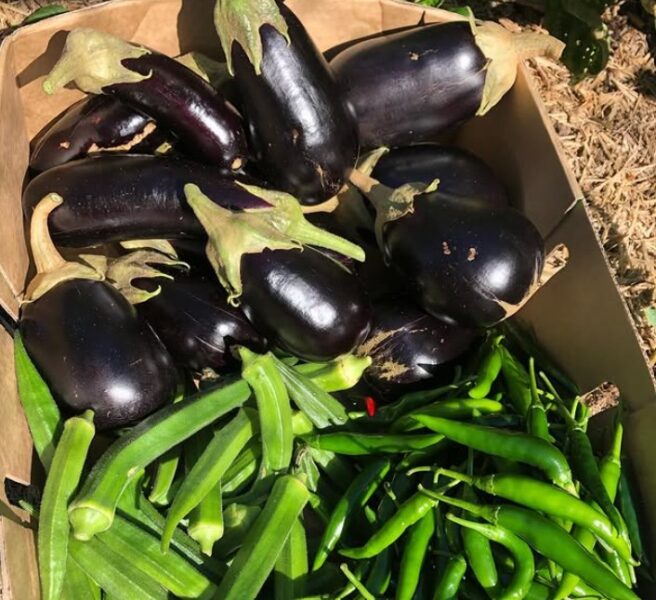
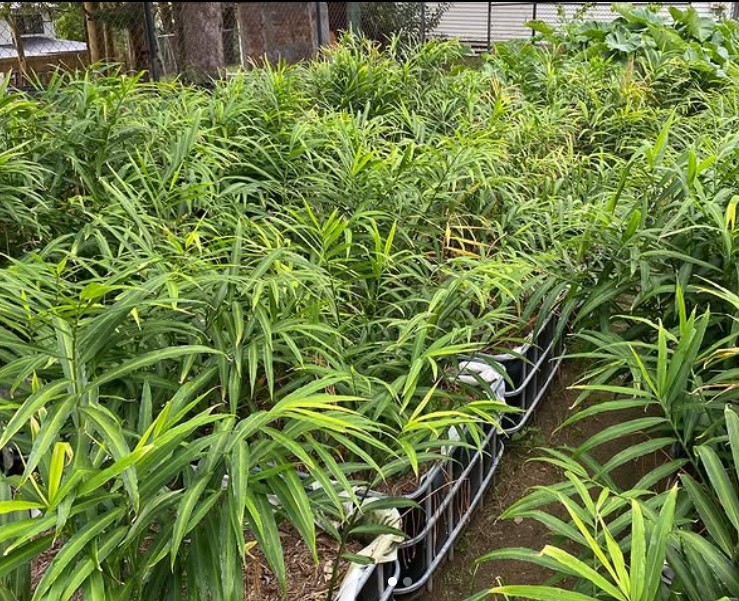
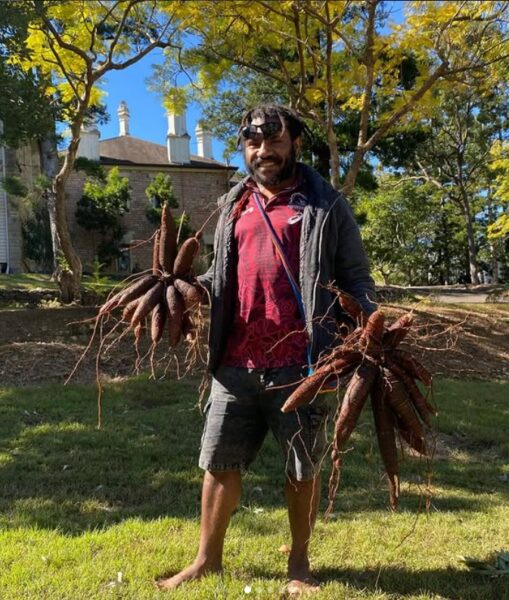
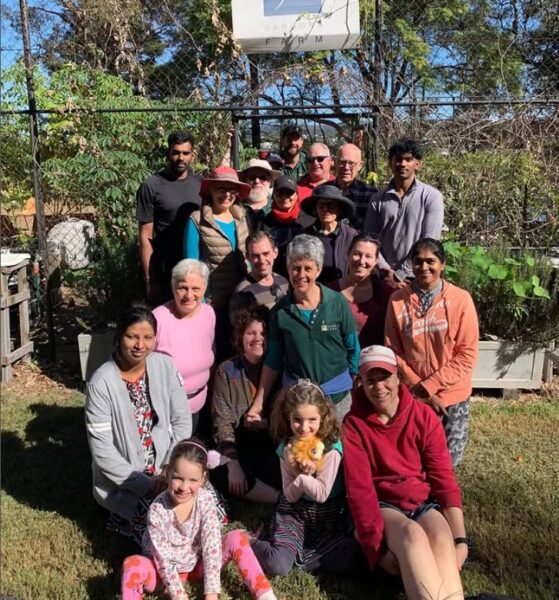
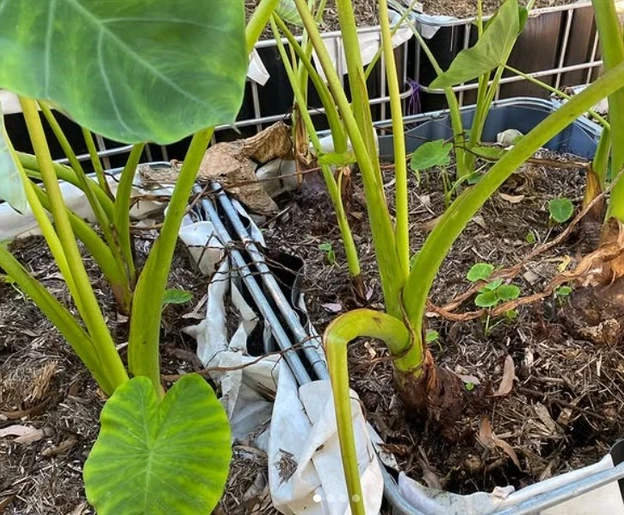
Above: photos from Baroona Farm’s Instagram page
This is what we lose when we pave over urban farms and community gardens. Not just the soil, the compost, the vegetables – but the relationships, the cultural connections, the quiet dignity of being able to access staple foods and medicines that connect people to home.
The Baroona team will find a new site. They’re resilient and determined. But the loss reminds us how precarious these precious spaces are, and how much we need to fight to protect them.
The Master Composter Course
The Brisbane Master Composter Course has been running for about 5 years now, and watching it thrive gives me enormous satisfaction. When I was working for Brisbane City Council, I designed and wrote this course for the Brisbane context with the aim of not just teaching people about how to make compost (though that’s, of course, part of it). It was also about supporting community leaders who could take composting knowledge back to their neighbourhoods, schools, community gardens, and workplaces.
I also led the design and establishment of the network of community compost hubs across Brisbane. These hubs – like the one at Baroona Farm -were envisioned as more than waste diversion infrastructure. They were meant to be gathering places, learning centres, soil regeneration sites, and community connection points.
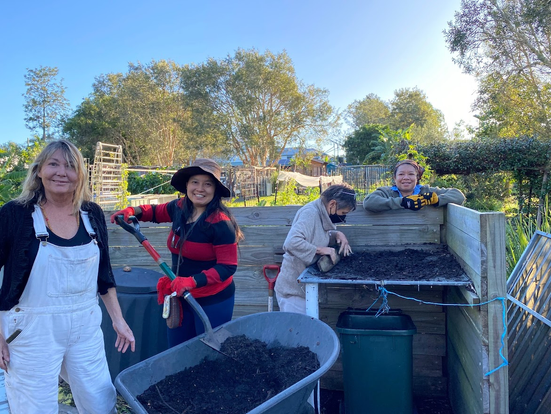
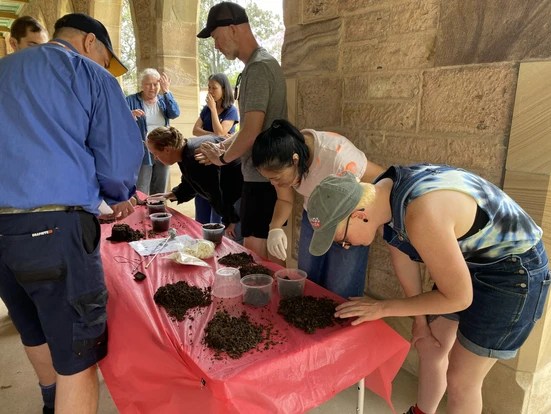
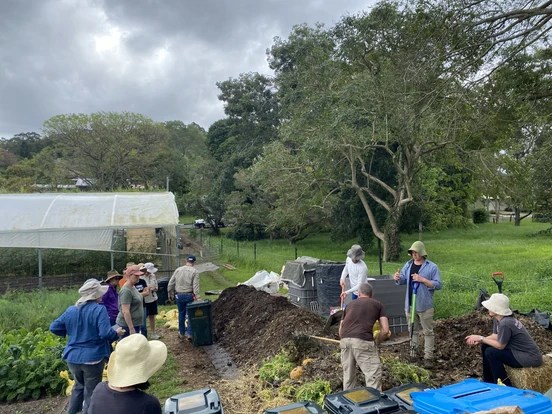
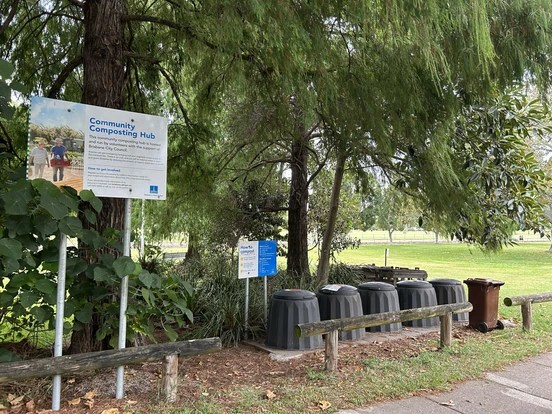
Above: Previous master composter courses at Beelarong Farm, Baroona Farm, Neighbourhood Farm, and a community compost hub at Greenslopes.
Walking through Baroona Farm and seeing participants learning hands-on composting techniques, asking thoughtful questions, and already thinking about how they’ll share this knowledge in their own communities—this is exactly what I hoped for when we built this program. Blood, sweat, tears, and yes, a fair bit of compost went into creating something that would outlast my time at Council.
As we lose sites like Baroona Farm to development, it becomes even more crucial to:
- Advocate for the protection of urban farms and community gardens
- Support community composting initiatives wherever they are
- Train more community composters and champions
- Build connections between composters, growers, and communities
- Make the case – again and again – that these spaces are infrastructure, not just nice-to-haves
Happy International Compost Awareness Week!
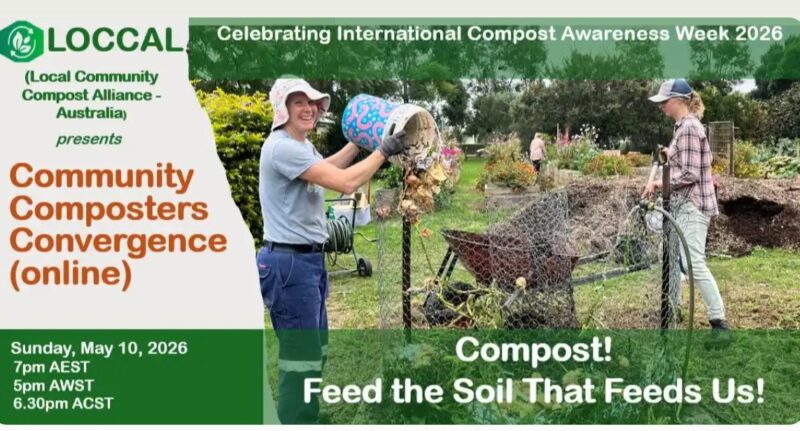
Join Us for Compost Awareness Week 2026
LOCCAL is hosting an event as part of International Compost Awareness Week, and I’d love to see you there.

Leave a Reply